

Craving a neighborhood where coffee, errands, dinner, and green space can all fit into the same walk? In 92103, Mission Hills and Hillcrest make that lifestyle feel practical, not aspirational. If you are comparing these two Uptown neighborhoods, understanding how they differ can help you choose a home that fits your routine, budget, and pace of life. Let’s dive in.
Why walkability stands out in 92103
Mission Hills and Hillcrest both sit in San Diego’s Uptown area, just north of Downtown and close to major landmarks like Presidio Park and Balboa Park. The City of San Diego describes Hillcrest as Uptown’s premier walkable community village, with planning focused on better public spaces, stronger links to nearby destinations, and more housing near transit and services. That bigger-picture planning helps explain why daily life here often feels connected and convenient.
The numbers back that up too. Walk Score rates Hillcrest at 87 and Mission Hills at 70, which places both in the Very Walkable range. In practical terms, that means you can often handle day-to-day outings on foot, especially in Hillcrest, which also shows stronger transit and biking conditions.
Hillcrest: a more urban walkable lifestyle
If you want a neighborhood where your routine can center around a dense mix of restaurants, shops, services, and public gathering spaces, Hillcrest has a strong case. The City notes that Hillcrest is known for award-winning restaurants, trendy stores, medical offices, two major hospitals, and a large concentration of LGBTQ-owned businesses. That mix gives the neighborhood a lively, all-day feel.
The street experience matters here too. According to the City’s Hillcrest community overview, the area combines neighborhood services with active commercial corridors, making it easier to stack errands and social time into one outing. For many buyers and renters, that is a big part of the appeal.
Everyday stops in Hillcrest
One of Hillcrest’s biggest lifestyle anchors is the weekly Hillcrest Farmers Market. The market offers produce, meat, seafood, dairy, prepared foods, and specialty items, which makes it useful for both grocery shopping and a casual weekend routine. It is the kind of place that can become part of your weekly rhythm.
Hillcrest also continues to invest in pedestrian-focused places. The Pride Promenade project is reshaping much of Normal Street into a people-first destination with seating, shade, trees, public art, and space for the farmers market and community events. That kind of public realm improvement supports the neighborhood’s walkable identity in a real, visible way.
Culture and connection in Hillcrest
Hillcrest’s character is not just about convenience. It is also about street life and public culture. The area’s Mural Alley, highlighted by the Hillcrest Business Association through the City’s project coverage, adds another visual and community-oriented stop to the neighborhood experience.
The City’s planning for Hillcrest also emphasizes better links to Balboa Park, Downtown, and North Park. So even when you leave your immediate block, the neighborhood’s value comes from how easily it connects you to other major San Diego destinations.
Mission Hills: walkable with a quieter feel
Mission Hills offers a different kind of walkable living. You still get the ability to run errands, grab a coffee, or head to dinner on foot, but the overall feel is more residential and less dense than Hillcrest. For many buyers, that balance is exactly the draw.
The Mission Hills Business Improvement District says the neighborhood has more than 470 business license holders, with activity centered along West Lewis Street, Fort Stockton Drive, Goldfinch Street, West Washington Street, University Avenue, Reynard Way, and India Street. Instead of one dominant strip, daily life often happens through smaller commercial nodes spread through the neighborhood.
Daily routines in Mission Hills
Mission Hills supports a walkable lifestyle with a more local rhythm. Dining, shopping, self-care, and professional services are all part of the neighborhood mix, and Walk Score notes that the area has about 90 restaurants, bars, and coffee shops. That means your everyday routine can still be built around short outings close to home.
Another practical asset is the Mission Hills-Hillcrest/Knox Library, located at 215 W. Washington Street. The City and district sources note that it serves both neighborhoods with Wi-Fi, study rooms, computer labs, events, and community space, which adds another useful stop to day-to-day life.
Parks and open space near Mission Hills
Mission Hills also stands out for its park access and local history. Mission Hills Park, also known as Pioneer Park, includes open grass, a playground, restrooms, and nearby tennis courts. It offers a neighborhood-scale green space that feels woven into everyday living.
Nearby Presidio Park and the Serra Museum deepen that sense of place and history. And for a much broader cultural and outdoor experience, Mission Hills and Hillcrest both benefit from close access to Balboa Park, which the City describes as more than 1,000 acres with museums, gardens, arts organizations, and the San Diego Zoo.
Mission Hills vs. Hillcrest
If you are deciding between the two, the difference usually comes down to how you want walkability to feel.
| Feature | Mission Hills | Hillcrest |
|---|---|---|
| Walkability feel | Walkable with a quieter, more residential setting | Walkable with a denser, more urban setting |
| Walk Score | 70 | 87 |
| Daily routine | Smaller commercial nodes and short neighborhood loops | Strong amenity mix with shops, dining, services, and events |
| Housing pattern | Historic homes, cottages, and architectural variety | Older homes mixed with newer apartments and condos |
| Community anchors | Mission Hills Park, Presidio Park, library, local corridors | Farmers market, Pride Promenade, Mural Alley, active business district |
For a more car-light lifestyle, Hillcrest generally has the edge based on its higher Walk Score and stronger transit profile. For buyers who want walkability paired with a quieter residential atmosphere, Mission Hills often feels like the better fit.
Housing choices in both neighborhoods
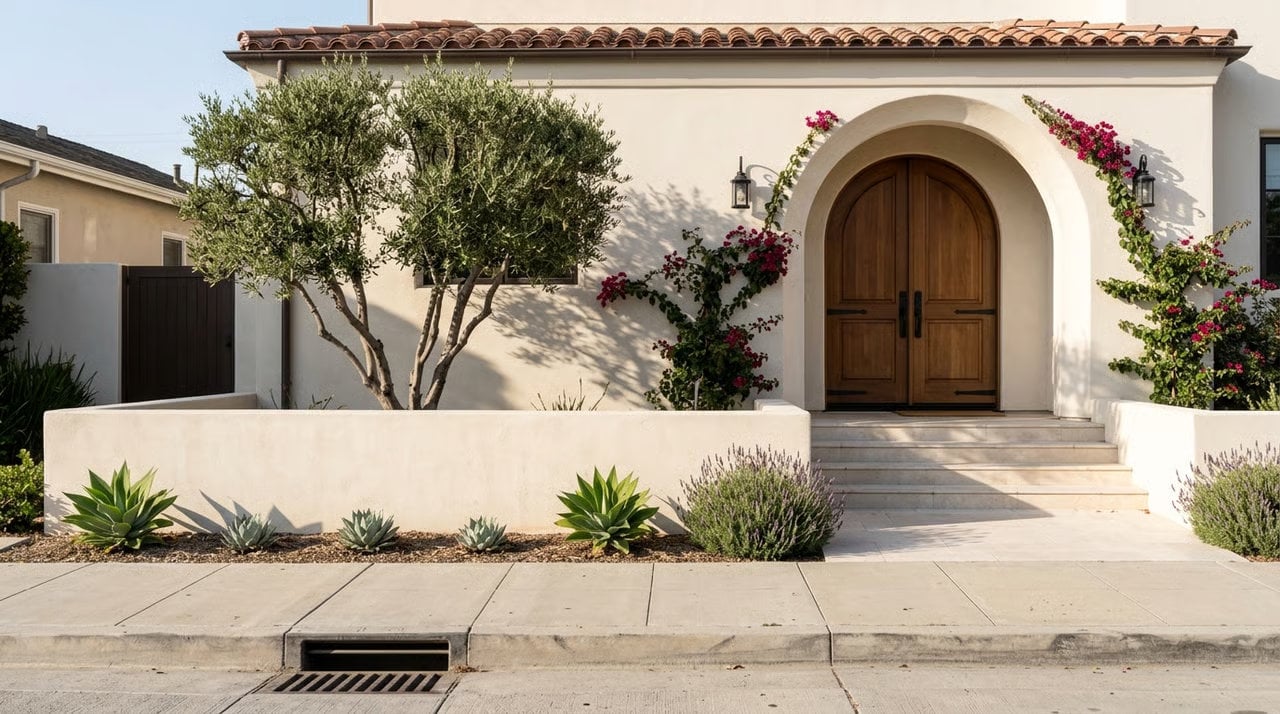
Your housing options also shape how walkable living works in each area. In Mission Hills, the housing story is deeply tied to architecture and history. Mission Hills Heritage says much of the neighborhood was built between the late 1800s and 1940, with styles that include Colonial Revival, Craftsman, Craftsman Bungalow, Mission Revival, Prairie School, and Spanish Revival.
The Mission Hills Town Council, as cited by Mission Hills Heritage, also notes that the neighborhood includes some 1950s contemporaries, 1970s contemporary homes, and occasional cottages. If you are looking for detached homes with character and variety, Mission Hills tends to stand out.
Hillcrest, by contrast, offers a more urban housing mix. The City says the neighborhood includes older homes alongside newer upscale apartments and condominiums. That blend can make Hillcrest appealing if you want lower-maintenance living near restaurants, services, transit, and community activity.
Which neighborhood may fit your lifestyle?
There is no single right answer between Mission Hills and Hillcrest. The better choice depends on what you want your normal Tuesday to look like.
Mission Hills may be a stronger fit if you want:
- Historic architectural character
- A more residential setting
- Walkable access to smaller business corridors
- Nearby parks and a quieter neighborhood rhythm
Hillcrest may be a stronger fit if you want:
- A more car-light daily routine
- Easy access to dining, shopping, and services
- Condo or apartment options near activity
- Street life shaped by markets, events, and public spaces
Together, these neighborhoods give 92103 a rare mix of options. You can choose a home where walkability means leafy residential blocks and historic homes, or one where it means stepping outside into one of San Diego’s most active urban villages.
If you are thinking about buying or selling in Mission Hills or Hillcrest, working with a local expert can help you look past the broad labels and focus on the block-by-block details that shape daily life. Jeff Hinds brings deep San Diego roots, neighborhood knowledge, and full-service guidance to help you find the right fit in 92103.
FAQs
Is Hillcrest or Mission Hills more walkable in San Diego 92103?
- Hillcrest is generally more walkable, with a Walk Score of 87 compared with Mission Hills at 70, though both are rated Very Walkable.
What kinds of homes are common in Mission Hills San Diego?
- Mission Hills is known for historic homes built largely between the late 1800s and 1940, including Craftsman, Spanish Revival, Mission Revival, and other classic architectural styles.
What kinds of homes are common in Hillcrest San Diego?
- Hillcrest includes a mix of older homes, newer apartments, and condominiums, creating a more urban and mixed-use housing pattern.
What are popular everyday destinations in Hillcrest San Diego?
- Popular everyday anchors in Hillcrest include the farmers market, neighborhood restaurants and shops, Pride Promenade, and other walkable business and community spaces.
What are popular everyday destinations in Mission Hills San Diego?
- Mission Hills residents often use local business corridors, Mission Hills Park, Presidio Park, and the Mission Hills-Hillcrest/Knox Library as part of everyday neighborhood life.
Does living in Mission Hills or Hillcrest mean easy access to Balboa Park?
- Yes. Both neighborhoods benefit from close proximity to Balboa Park, which offers museums, gardens, arts organizations, trails, and other major San Diego attractions.