

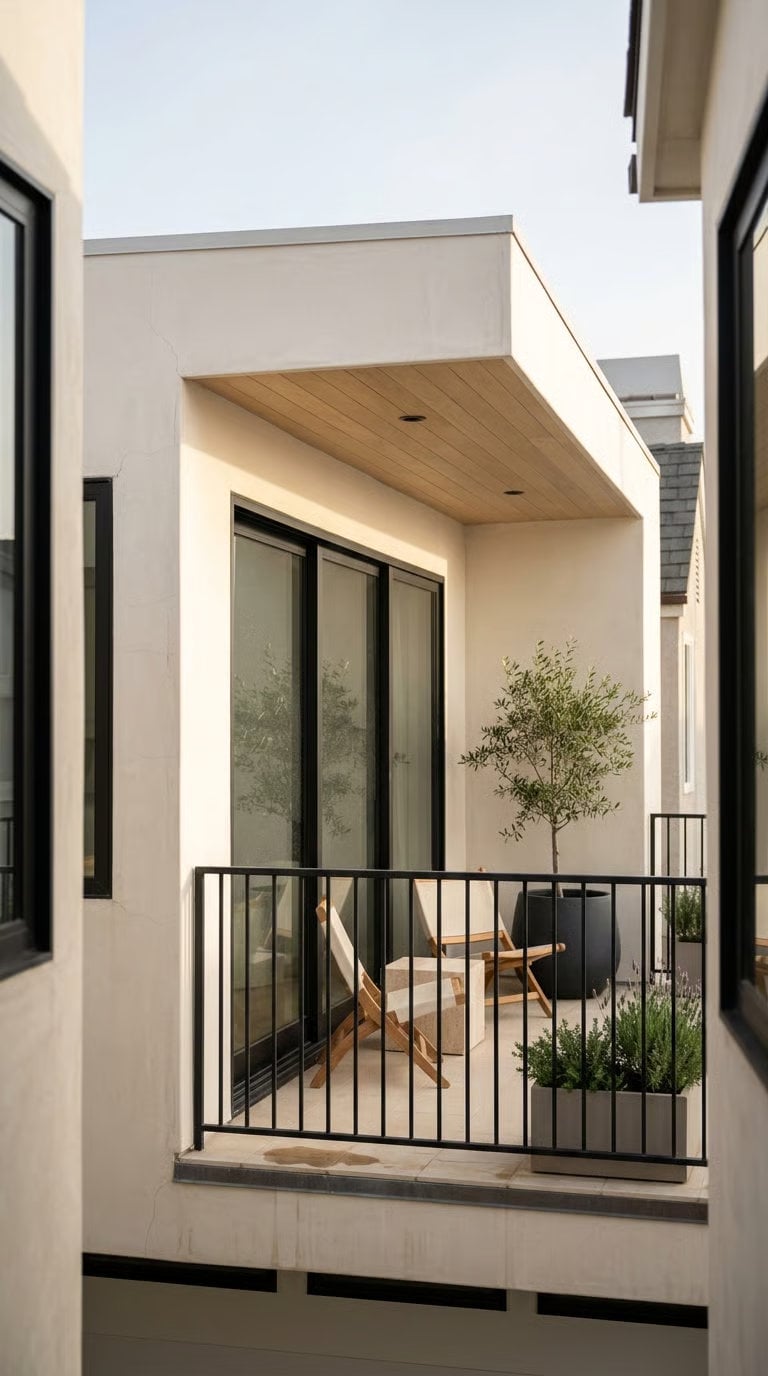
Dreaming about a second home where you can walk to the sand, catch bay views, and enjoy one of San Diego’s most iconic coastal settings? Mission Beach can absolutely deliver that lifestyle, but it comes with a very specific set of rules, costs, and property realities. If you are thinking about buying in 92109, this guide will help you understand what makes Mission Beach different, what to watch during due diligence, and how to buy with more confidence. Let’s dive in.
Why Mission Beach feels different
Mission Beach is not a typical beach neighborhood. The City of San Diego describes it as the most densely developed residential community in the city, sitting on a narrow sand bar between the Pacific Ocean and Mission Bay. That creates a compact, highly block-specific market where one street, one parking setup, or one unit layout can have a big impact on how a property lives.
For second-home buyers, that matters right away. You are not just buying near the water. You are buying into a location where walkability, visitor activity, parking pressure, and exact placement all shape the day-to-day experience.
The area is also older than many buyers expect. Much of the original housing stock dates back to the 1930s and 1940s, so homes here often behave more like older coastal properties than newer suburban homes. That can be part of the charm, but it also raises the importance of careful inspections and realistic upkeep planning.
What kinds of homes you will find
Mission Beach offers a mix of property types rather than large-lot detached homes. The city’s planning documents point to a range that includes single-family homes, two-family properties, multifamily buildings, townhouses, garden apartments, and condominiums.
In practical terms, you will likely see:
- Detached beach cottages
- Duplexes and two-unit buildings
- Small condo complexes
- Townhome-style residences
- Compact multifamily properties
South Mission Beach has a somewhat different feel. The city notes that this section is mainly one- and two-family residential and lower density than the rest of Mission Beach. If you want a slightly less dense setup, that may be worth watching closely as you compare options.
Why location matters block by block
In Mission Beach, small location differences can change your ownership experience more than you might expect. A property near the boardwalk may offer easy beach access and strong lifestyle appeal, but it may also come with more foot traffic, noise, and use pressure. A home tucked closer to the bay may feel different in terms of access, parking, and everyday flow.
This is one of those markets where broad neighborhood impressions are not enough. You want to evaluate the exact block, street access, parking arrangement, and how the unit is configured for your intended use. In a dense, visitor-oriented coastal area, those details are not minor. They are central to value.
Understand the true cost of ownership
A Mission Beach second home usually carries a premium price point, and the monthly cost can add up quickly. Realtor.com reported an April 2026 median listing price of $2.247 million in Mission Beach, with 41 homes for sale and a median of 58 days on market. That points to a premium coastal market where inventory can feel tight and carrying costs deserve close attention.
Property taxes are a big part of your planning. In San Diego County, the tax rate starts with California’s Proposition 13 framework, which limits the rate to 1 percent of current assessed value, plus voter-approved bonds and assessments. Because property is reassessed when it changes owners, you should budget taxes from your expected purchase price, not from the seller’s existing tax bill.
Beyond taxes, second-home buyers should also plan for:
- Insurance and flood-zone review
- Coastal maintenance and repairs
- Utilities and HOA costs, if applicable
- Parking-related tradeoffs
- Rental compliance costs, if you plan to rent
Coastal wear is real
Buying near the ocean is exciting, but the environment is harder on buildings. FEMA notes that salt spray, onshore winds, and high humidity can speed up corrosion of metal connectors and fasteners, while moisture-related decay is common in coastal areas.
That means your inspection mindset should be different here than it might be inland. In Mission Beach, you will want extra attention on the roof, exterior surfaces, exposed hardware, signs of water intrusion, and any pattern of deferred maintenance. Older homes and small multifamily properties can be especially sensitive to those issues.
A polished listing presentation does not replace good due diligence. For a second-home buyer, condition can affect both your enjoyment and your long-term ownership costs.
Parking deserves serious attention
Parking is not just a convenience item in Mission Beach. It is a major usability factor. The community plan identifies vehicle congestion and parking deficits as long-running issues, which is why garage count, assigned spaces, guest parking, and street access should all be reviewed carefully before you commit.
Two homes at a similar price can feel very different if one has practical parking and the other relies on limited street availability. If you expect to use the home often, host guests, or carry beach gear back and forth, parking can shape the property’s real-world value as much as interior finishes do.
Flood-zone review should be standard
Because Mission Beach sits on a narrow peninsula between the ocean and Mission Bay, flood-zone review is a normal part of the buying process. FEMA identifies coastal flood zones such as VE, AE, and AO on official flood-hazard maps, and parcel-level review is especially important in low-lying coastal areas like this one.
This does not mean every property has the same risk profile. It does mean you should confirm the property’s mapped flood zone, ask how that may affect insurance, and build those costs into your ownership budget early. In Mission Beach, this is standard due diligence, not an unusual extra step.
Be careful with short-term rental assumptions
Many second-home buyers naturally wonder whether they can offset costs by renting the property when they are not using it. In Mission Beach, that question requires very careful verification. The City of San Diego requires a Short-Term Residential Occupancy, or STRO, license for all short-term residential occupancy, regardless of zoning.
That is where many assumptions can break down. According to the city’s current STRO information, the application period is open for Tier 1, 2, and 3 licenses, but the Tier 4 Mission Beach whole-home waitlist is closed. The city also previously reopened Tier 4 applications for a limited 45-day window beginning July 1, 2025, with a random lottery after the window closed.
For buyers, the key takeaway is simple: do not underwrite a Mission Beach second home based on nightly rental income unless you have verified the property’s actual license status and eligibility. City rules matter more than marketing language or past use.
Why primary-residence rules may not fit a true second home
Some buyers assume there may be a workaround through a primary-residence rental path. In San Diego, that path usually does not align with a true second-home plan. The city states that the primary-residence option requires the host to occupy the unit for at least 275 days each year.
If you are buying a vacation property or part-time coastal retreat, that requirement will often not fit your intended use. On top of that, hosts must also have an active Transient Occupancy Tax certificate and current Rental Unit Business Tax compliance before an STRO application can move forward.
In other words, rental strategy in Mission Beach needs to be based on current city rules, exact address details, and verified licensing, not broad assumptions.
Know the local rental-related taxes
If you plan to rent the home to guests for less than one month at a time, San Diego requires a Transient Occupancy Tax certificate and collection and remittance of TOT. Under Measure C, the city says TOT is set at 11.75 percent, 12.75 percent, or 13.75 percent depending on the tax zone, so the exact rate must be confirmed by address.
The city also states that owners who rent all or part of a property for more than six days in a calendar year are responsible for Rental Unit Business Tax. For a single-family or condominium rental unit, the current fee table shows a $50 base fee plus $5 per unit, generally due March 1.
These costs may not make or break a purchase on their own, but they absolutely belong in your budgeting. If your ownership plan includes any rental component, they are part of the numbers.
How Mission Beach compares nearby
If you are still deciding where to buy, it helps to understand how Mission Beach differs from other coastal San Diego options. Compared with Pacific Beach, Mission Beach is smaller, denser, and more visitor-oriented. Market data in the research also shows Mission Beach at a higher median listing price and rent than Pacific Beach and Ocean Beach.
Ocean Beach offers a different feel as well, with a smaller-scale setting and a locally distinctive character. La Jolla, by contrast, is a more established luxury coastal area with dramatic bluffs and a different physical setting altogether.
For many buyers, Mission Beach stands out because it is compact, highly walkable, premium-priced, and especially sensitive to rental rules, parking, and exact location. If that combination fits your goals, it can be a compelling second-home market. You just want to buy with clear eyes.
Focus on address-specific due diligence
The biggest buying mistakes in Mission Beach usually come from treating it like a broad lifestyle purchase instead of an address-specific one. Here, the most important questions are often tied to the exact property, not the ZIP code alone.
Before you move forward, pay close attention to:
- STRO eligibility and license history
- Exact TOT tax zone, if rentals matter to you
- Flood-zone designation and insurance impact
- Garage, parking, and street access
- Building condition and deferred maintenance
- Layout and how the unit functions for part-time use
That is where experienced local guidance can make a real difference. In a market this compact and this regulated, details can materially change both your ownership experience and your long-term costs.
If you are considering a second home in Mission Beach, the goal is not just to find a beautiful coastal property. It is to find the right property for how you plan to use it, budget for it, and hold it over time. When you match the lifestyle appeal with careful due diligence, Mission Beach can be a very rewarding place to own.
Ready to explore Mission Beach with a local, full-service advisor who understands San Diego’s micro-markets? Connect with Jeff Hinds for thoughtful guidance on buying the right beach-area second home.
FAQs
What makes Mission Beach different for second-home buyers?
- Mission Beach is one of San Diego’s most densely developed residential areas, with older housing stock, strong visitor activity, parking pressure, and highly block-specific differences that can affect daily use and value.
What property types are common in Mission Beach?
- Buyers will usually find detached cottages, duplexes, condos, townhome-style properties, and small multifamily buildings rather than large-lot suburban homes.
What should Mission Beach buyers know about property taxes?
- In San Diego County, property taxes begin with the Proposition 13 framework, so a purchased home is generally budgeted from the new assessed value based on the closing price, plus voter-approved bonds and assessments.
What condition issues matter most in a Mission Beach beach-area home?
- Because of salt spray, humidity, and onshore winds, buyers should pay close attention to corrosion, moisture-related wear, roof condition, exterior materials, exposed metal hardware, and any signs of water intrusion.
What are the short-term rental rules for Mission Beach second homes?
- San Diego requires an STRO license for short-term residential occupancy, and buyers should verify actual license status and eligibility because Mission Beach whole-home licensing is especially restricted.
What taxes apply if you rent out a Mission Beach second home?
- If you rent for less than one month at a time, you may need a Transient Occupancy Tax certificate and must confirm the address-specific TOT rate, and Rental Unit Business Tax may also apply if the property is rented more than six days in a calendar year.
Why is flood-zone review important when buying in Mission Beach?
- Mission Beach sits between the Pacific Ocean and Mission Bay, so parcel-level flood-zone review and related insurance planning are a normal and important part of due diligence.
How does Mission Beach compare with Pacific Beach or Ocean Beach for second-home buyers?
- Mission Beach is generally smaller, denser, more visitor-oriented, and more sensitive to rental rules and parking than nearby coastal areas, which makes property-specific research especially important.