

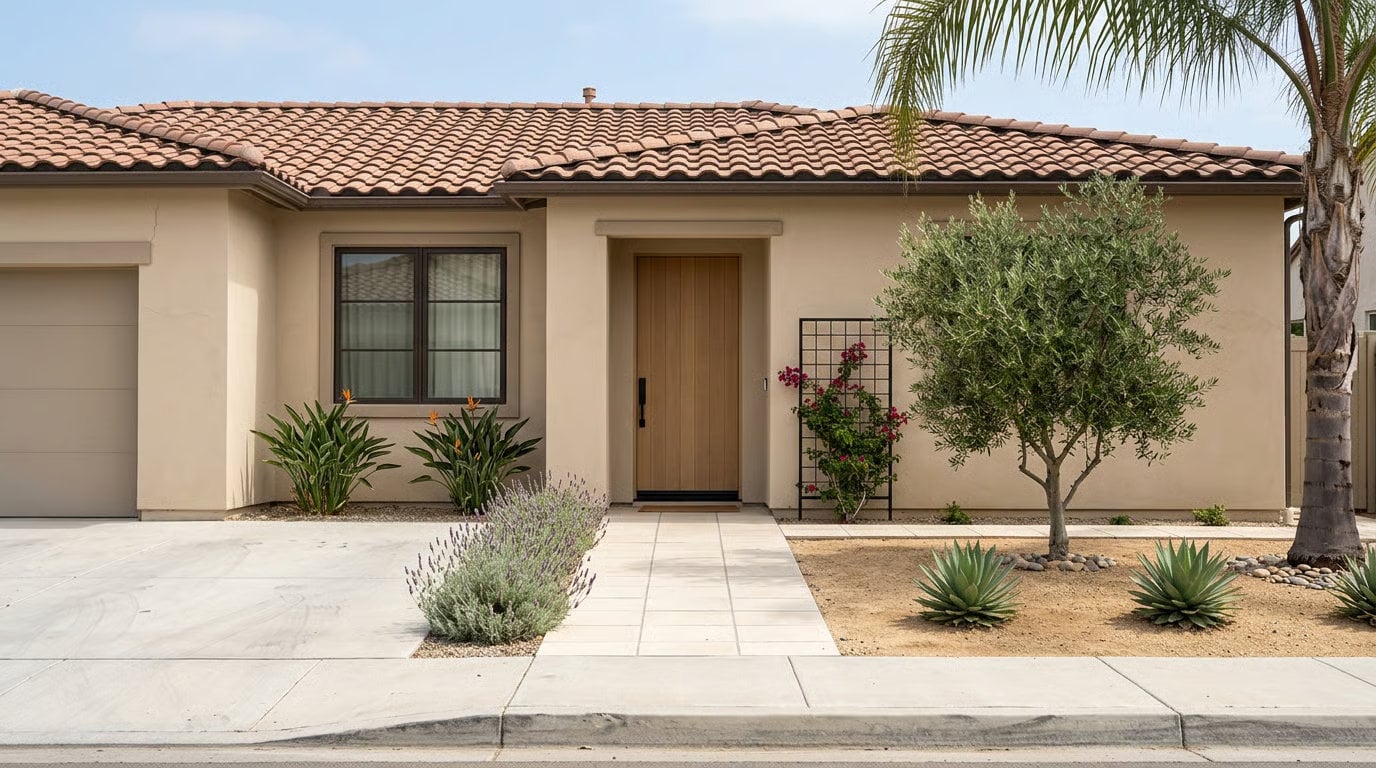
Getting PCS orders to San Diego can feel exciting and overwhelming at the same time. You want a neighborhood that fits your lifestyle, budget, and commute to base without wasting time or money. With the right plan, you can land in a spot that works from day one.
This guide gives you a clear, local-first look at San Diego’s bases, lifestyle zones, commute realities, and a practical PCS checklist. You’ll also see how to use virtual showings and data to make confident choices from afar. Let’s dive in.
San Diego’s military map in plain English
San Diego is home to multiple Navy and Marine installations that shape where you might live, how long you’ll commute, and which services you’ll use. Start your research with the city’s overview of local installations to see how everything connects across the county. You can scan the list on the City of San Diego’s page covering local military installations to get your bearings quickly. Visit the City of San Diego’s page on local military installations for a helpful overview: San Diego’s military installations.
Here is how the main bases affect neighborhood choice:
- Naval Base San Diego (NBSD). This large fleet homeport sits south of downtown. Many service members look at Point Loma, Logan Heights, South Bay, or Coronado for shorter drives, and consider inland suburbs for more space or price flexibility. For relocation help, NBSD’s Fleet & Family Support Center is a key first stop. Learn more on the NBSD Fleet & Family Support Center page.
- Naval Base Coronado and NAS North Island. Located on Coronado and near Point Loma, these are accessed by the Coronado Bay Bridge or ferry. Living on Coronado or near downtown can shorten commutes but often comes with premium pricing.
- Marine Corps Recruit Depot (MCRD) San Diego. Next to the airport and downtown. When graduations or events are scheduled, traffic patterns near the depot can change. Check event info on the MCRD San Diego page.
- MCAS Miramar. In north-central San Diego, with common housing searches in Mira Mesa, Scripps Ranch, Clairemont, or Kearny Mesa for straightforward access. Explore base resources at MCAS Miramar.
- Camp Pendleton. North of the city. Families often look in Oceanside, Carlsbad, or inland North County if assigned here. Daily commutes from central San Diego can be long, so map gates and drive times before you commit.
Tip: As soon as you have orders, contact your command sponsor and the installation’s Fleet & Family or relocation office. They can brief you on gate procedures, temporary lodging options, on-base housing waitlists, and School Liaison contacts. The NBSD Fleet & Family page above is a good example of what these offices provide.
Choose your lifestyle zone first
San Diego is large and diverse. Picking a general lifestyle zone will narrow your search quickly, then you can dial in neighborhoods and housing types.
Coastal lifestyle
- Representative areas: Coronado, La Jolla, Pacific Beach, Mission Beach, Ocean Beach.
- Why choose it: You want walkable beach access, bayfront recreation, and quick reach to Naval Base Coronado and downtown by car or ferry. The lifestyle appeal is strong if you value being near the water.
- Tradeoffs: Prices trend higher than inland areas and parking can be limited in beach neighborhoods. Lots and yards are typically smaller.
Central and urban
- Representative areas: Downtown and Marina District, Little Italy, North Park, Hillcrest, Barrio Logan.
- Why choose it: You prefer walkable dining and amenities, and want shorter drives to NB San Diego and other downtown-adjacent facilities. Condos and townhomes can streamline quick moves and limit maintenance.
- Tradeoffs: Many options are condos with HOA fees. Parking and private outdoor space vary by building and block.
Inland and East County
- Representative areas: Poway, Rancho Bernardo, Santee, El Cajon, Lakeside.
- Why choose it: You want more space per dollar, larger floor plans, and access to parks and schools in a suburban setting. These areas can make sense if you do not need to be near the beach.
- Tradeoffs: Expect longer drive times to coastal or downtown bases, especially during peak periods along I-15, SR-52, and I-8.
South Bay convenience
- Representative areas: Chula Vista, National City, Otay Ranch, Imperial Beach.
- Why choose it: Often closer to NB San Diego and can offer more price flexibility than the highest-demand coastal enclaves. Many active-duty families prioritize this area to balance commute and cost.
- Tradeoffs: Some neighborhoods are denser and you will want to compare traffic patterns near base access points by time of day.
Budget tip: If you plan to rent, use HUD’s Fair Market Rent benchmarks as a starting point for your monthly planning. You can review current data for San Diego on the HUD Fair Market Rent reference. Pair that with your BAH to set a working budget before you tour.
Commute and transit realities
Your daily gate and shift time should guide your neighborhood shortlist. The region’s major corridors include I-5 along the coast, I-15 inland, I-8 east-west, plus CA-52 and I-805. Peak congestion can add significant time, and shift changes or ship arrivals may create surges near bases. For a data-backed view of corridor performance, see SANDAG’s performance monitoring resources here: SANDAG regional performance.
Public transit can help in select corridors. The San Diego Metropolitan Transit System runs trolley and bus service, though travel times are often longer than driving and coverage thins outside higher-density areas. Use its trip planner to test a commute from a potential home to your gate. Explore routes and schedules on the MTS website.
If you work on Coronado, the Coronado ferry from downtown is a viable option for some commuters. It can reduce bridge traffic variability and adds predictability to your day. Check current schedules and options for commuters on this Coronado ferry schedule overview.
Pro move: Before you apply or write an offer, test real-world drive times during your typical start and end shifts. Screenshots and notes from two or three days will help you compare neighborhoods with confidence.
PCS timeline and must-do checklist
Staying ahead of key dates will save stress and money. Use this compact timeline as a guide, then confirm details with your command, finance office, and base relocation staff.
6+ months out
- Confirm orders and connect with your command sponsor.
- Identify your primary base and the Family or Relocation office for arrival support and local resources. For NB San Diego, start at the NBSD Fleet & Family Support Center.
90 to 60 days out
- Start your housing search and request on-base housing waitlist status if applicable.
- If you expect to use Temporary Lodging Expense, review rules and documentation on the DFAS TLE guidance page.
60 to 30 days out
- Schedule virtual or in-person tours. Ask for recorded walkthroughs, neighborhood drives, and commute timing tests.
- Finalize your TLE plan and, if moving from OCONUS, review Temporary Lodging Allowance guidance summarized by Military.com’s PCS resource.
Arrival and first 30 days
- Use authorized TLE or TLA processes, keep all receipts, and file travel vouchers promptly through your finance office. DFAS is your source for official rules on TLE: DFAS TLE guidance.
- Complete in-processing, contact the base Housing Office, and connect with the School Liaison for current enrollment procedures and boundary details.
Know your protections
- Lease termination rights under the Servicemembers Civil Relief Act. If you have qualifying PCS or deployment orders, you can terminate a residential lease by providing written notice and a copy of your orders. Review timing and refund details in the statute at 50 U.S.C. § 3955. For help applying the rules to your situation, contact your legal assistance office.
Quick PCS checklist
- Secure digital copies of orders.
- Contact your sponsor and base Family or Relocation office.
- Verify BAH and build a housing budget using HUD FMR as a rental benchmark: San Diego FMR.
- Schedule HHG and unaccompanied baggage.
- Book temporary lodging and save receipts for TLE or TLA.
- Gather school, medical, and dental records.
- Confirm vehicle registration and insurance needs for California.
- If breaking a lease, follow SCRA notice steps in writing with attached orders.
What to ask your agent for when shopping remotely
You can make a strong, low-risk decision without being here in person if you ask for the right support. Here is what a relocation-savvy agent should provide to help you compare homes, neighborhoods, and commutes clearly.
Virtual tours and verified details
- Live video tours and full-length, recorded walkthroughs with narrated highlights.
- Floor plan overlays and room-by-room measurements so you can plan furniture and storage.
Commute and base-access briefing
- Short neighborhood-drive videos at your actual AM and PM shift times, with notes on typical bottlenecks.
- Gate-by-gate distance estimates and recommended routes for your unit. Confirm gate hours and escort policies with the installation’s Public Affairs or Family Services office before you rely on a route.
Schools and daily-life context
- A neutral school and district briefing drawn from district sites and the base School Liaison’s guidance. If you are assigned to Miramar, start with the contacts listed at MCAS Miramar.
- Photos of nearby grocery, parks, and childcare centers to preview your daily routine.
Lease and contingency planning
- Contract language that fits a PCS timeline, including inspection windows that work with travel and SCRA awareness for lease scenarios. For specific legal questions, contact your legal assistance office and see 50 U.S.C. § 3955.
Budget and market alignment
- An affordability review that pairs your BAH with realistic rent or mortgage options. Use HUD’s San Diego FMR as a rent cross-check and request a fresh market snapshot for your target neighborhoods.
With two decades of local experience across beach, urban, and suburban micro-markets, you can expect clear, fast communication, thorough remote showings, and practical guidance that fits your orders and timing. When you are ready, schedule a planning call to map bases, zones, and a short list of homes that fit.
Ready to get started with a neighborhood plan and a tailored virtual tour lineup? Book an appointment with Jeff Hinds to make your San Diego PCS simpler and more predictable.
FAQs
What San Diego neighborhoods help shorten commutes to Naval Base San Diego?
- Many commuters consider Point Loma, Coronado, Logan Heights, and South Bay options like Chula Vista for shorter drives. Always test drive times at your shift start and end, and review corridor performance using SANDAG’s data tools.
Is the Coronado ferry practical for commuting to NAS North Island?
- For some schedules it can be. The ferry reduces bridge-traffic uncertainty and runs on a regular schedule. Check current details on this Coronado ferry schedule overview and confirm with your command.
How do TLE and TLA work if I’m PCSing to San Diego?
- Temporary Lodging Expense applies for CONUS moves and reimburses a portion of hotel costs for a limited period. Review rules on the DFAS TLE page. If you are moving from OCONUS, Temporary Lodging Allowance has different rules summarized by Military.com’s PCS resource.
Can I end my current lease if I receive PCS orders to San Diego?
- In many cases yes. Under the Servicemembers Civil Relief Act, you can terminate a residential lease by giving written notice and a copy of your orders. See the statute and timing rules at 50 U.S.C. § 3955, and contact your legal assistance office for help.
What should I check before choosing a neighborhood near MCAS Miramar?
- Confirm your gate and shift times, test multiple commute routes at peak hours, and compare housing types in nearby areas like Mira Mesa or Scripps Ranch. Base contacts and resources are listed at MCAS Miramar.