Thinking about selling in Allied Gardens or Del Cerro and wondering what to fix first? You are not alone. Many 92120 homes were built in the 1950s and 1960s, which means they often shine with character but show their age in systems and finishes. The right prep can boost your price and shorten time on market. In this guide, you will learn which projects pay off, what to skip, and how to get your home market‑ready without overspending. Let’s dive in.
What buyers want in 92120
Buyers in Allied Gardens and Del Cerro tend to prefer move‑in‑ready homes with clean finishes, updated kitchens and baths, and reliable systems. They also value indoor‑outdoor flow and usable yards, since San Diego’s climate invites year‑round living outside. Energy‑efficient features like newer windows, insulation, and a dependable HVAC system are a plus. First impressions matter, so curb appeal and bright, clean interiors are key.
The local climate can wear on exterior paint, wood, and roofs. Termites and other wood‑destroying organisms are common countywide, so plan for inspections and documentation. You do not need to remodel everything. Focus on what the eye sees first and what an inspector will flag.
Fixes to do first
These high‑impact projects often deliver the best return at a lower cost. Prioritize them before you list.
- Fresh interior paint: Neutral tones freshen rooms, hide scuffs, and make photos pop. Painting is one of the highest ROI upgrades before listing.
- Declutter, deep clean, and small repairs: Remove excess furniture, patch nail holes, caulk gaps, fix loose knobs and squeaky hinges, and replace worn weatherstripping. You want buyers to feel the home has been well cared for.
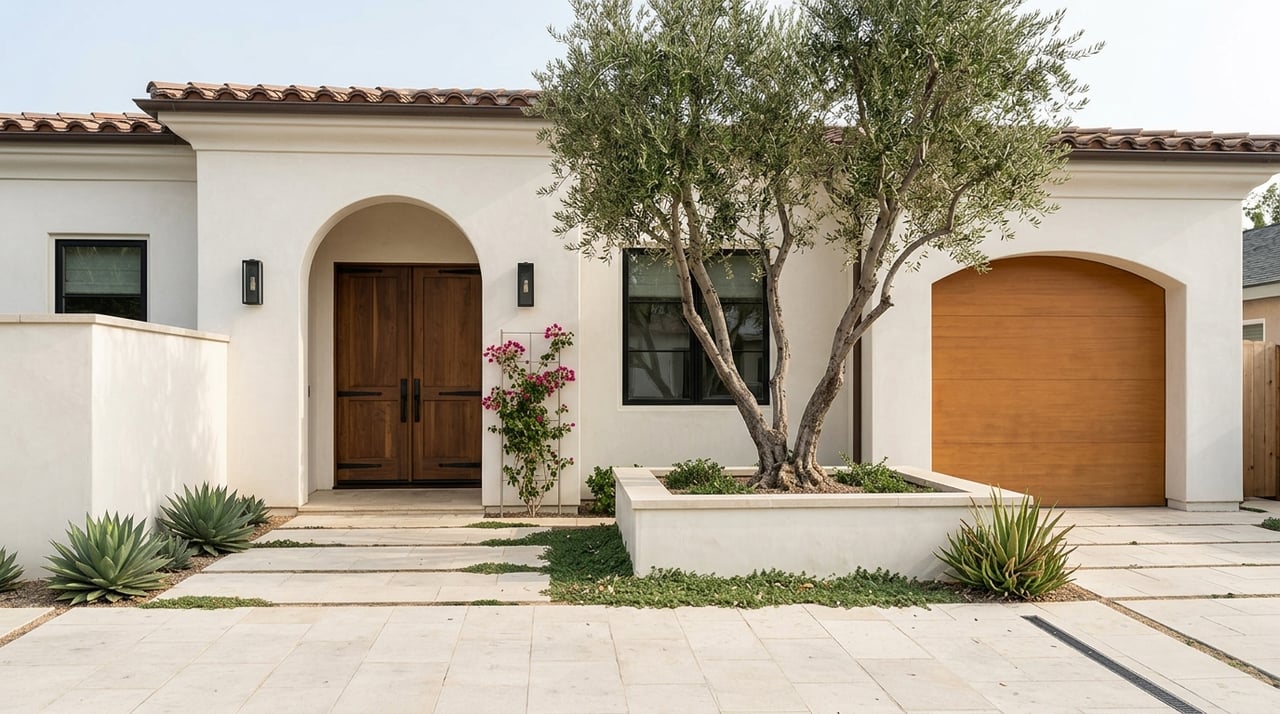
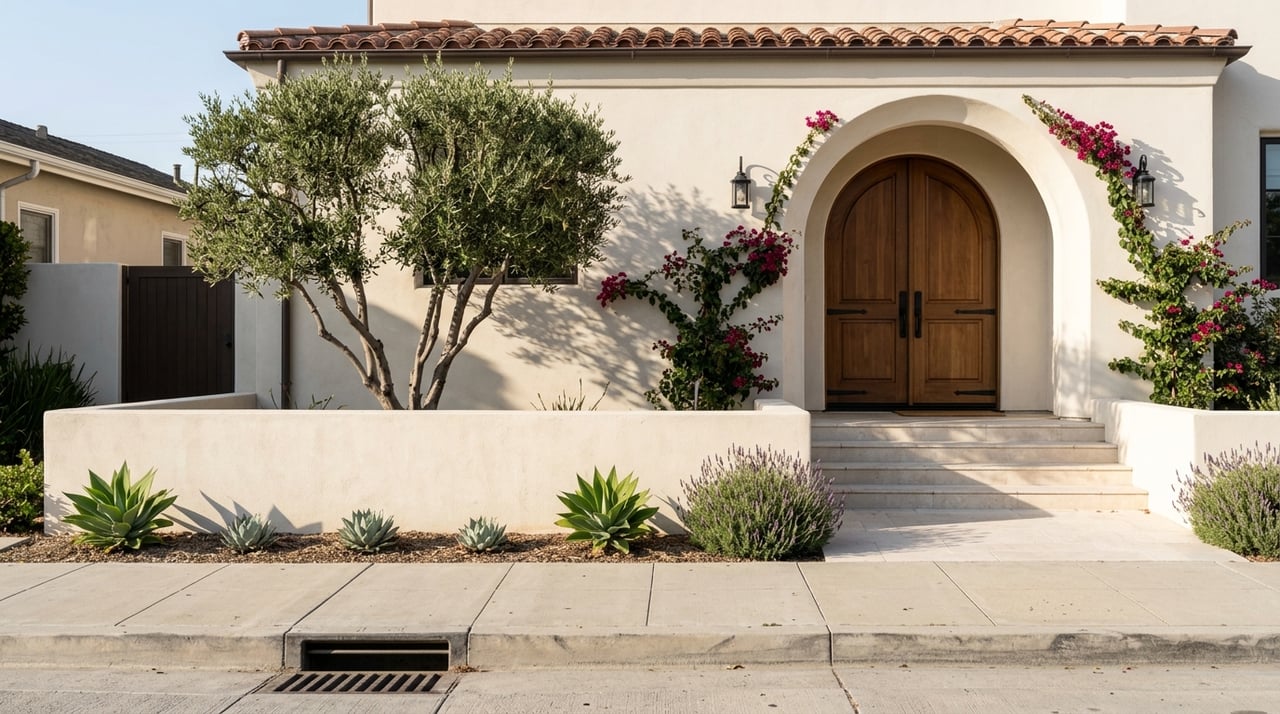
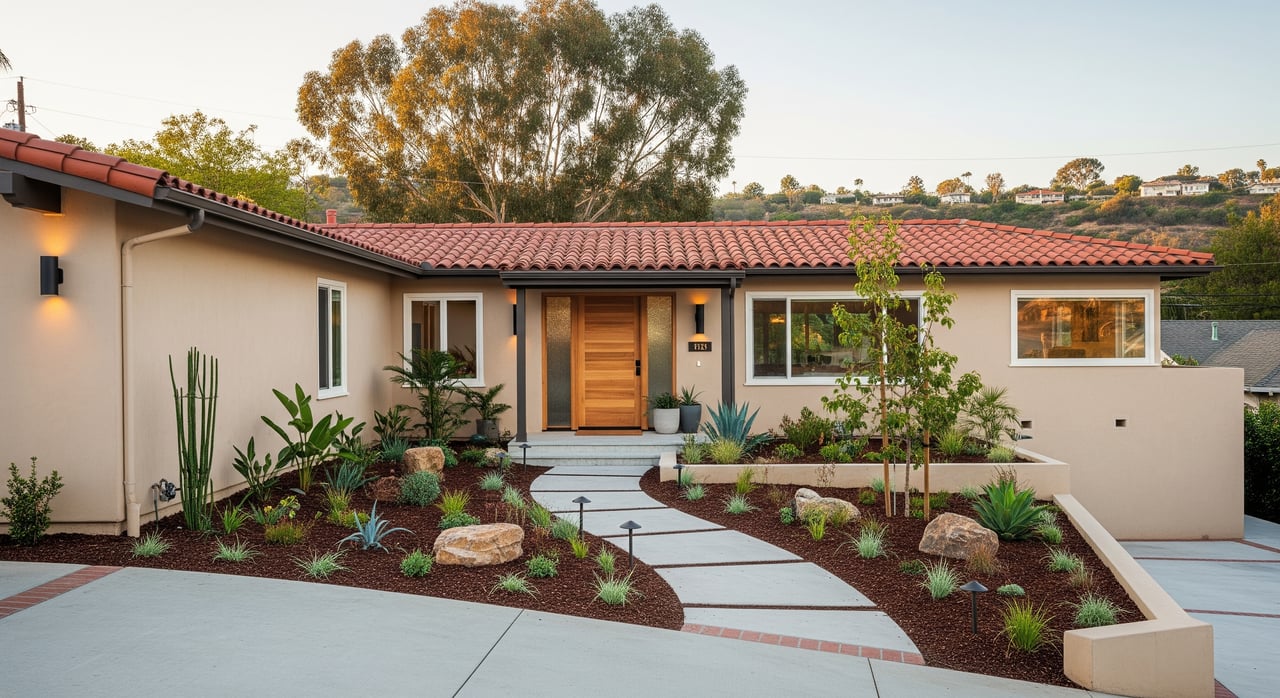
- Curb appeal refresh: Mow and edge, trim shrubs, clean gutters, power wash walkways, and add fresh mulch or low‑water plants. Update the front door hardware for a clean entry.
- Lighting and hardware updates: Replace dated fixtures, burnt‑out bulbs, yellowed switch plates, and worn cabinet pulls. Use warm LED bulbs for consistent color and brighter rooms.
- Fix signs of leaks or water intrusion: Address roof leaks, plumbing drips, or stained drywall. Even small issues raise buyer concern and inspection risk.
- Cost‑smart flooring fixes: Professionally clean carpet, replace visibly worn or stained carpet, and refinish original hardwood if you have it. Solid, clean flooring reads as move‑in ready.
Smart mid‑range updates
Do these if your comps support them or your current finishes are holding you back.
- Kitchen refresh: Paint or refinish cabinets, add modern hardware, replace worn counters with laminate or engineered quartz, and update the faucet and lighting. A clean, bright kitchen often outperforms an expensive remodel on ROI.
- Bathroom improvements: Recaulk, regrout, swap dated mirrors and lights, and consider reglazing tubs or replacing a vanity top. Address damaged tile if it drags down first impressions.
- HVAC service or replacement: Service older systems and keep receipts. If the unit is near end of life or unreliable, replacement can help justify price and reassure buyers.
- Windows and operation: Replace broken or severely fogged panes and ensure all windows open, close, and lock smoothly. If single‑glaze windows are intact, clean, and functional, a full replacement is not always required before listing.
- Electrical safety upgrades: Add GFCI protection where needed and confirm the panel is safe and labeled. Buyers prioritize safety and basic modern standards.
Projects to skip now
Save your budget for what buyers value most. These often do not pencil out before listing in 92120 unless your comps demand them.
- Full high‑end kitchen remodel: Costs and timelines are significant. Price accordingly and let buyers personalize if nearby inventory is not fully renovated.
- Additions and large expansions: Big structural projects take time and require permits. Returns vary widely and may not pay off pre‑sale.
- Pool installation or major hardscaping: High cost and mixed buyer preferences. Avoid unless your strategy and timeline make sense.
- Custom built‑ins and luxury personalization: Keep updates broadly appealing and neutral.
Checklist and timeline
Use this tiered plan to organize your prep. Timelines are typical ranges for Southern California and depend on scope and contractor availability.
0–2 weeks: fast, affordable wins
- Declutter and depersonalize: Remove extra furniture and personal items for a spacious feel.
- Deep clean and touch‑ups: Clean windows, patch nail holes, and touch up paint. If walls are dated or worn, schedule a full interior repaint.
- Exterior spruce‑up: Power wash walks, clean gutters, mow and edge, refresh mulch, and trim overgrowth.
- Lighting and hardware: Replace dated fixtures, add warm LED bulbs, and swap yellowed switch plates and worn cabinet pulls.
Typical timelines: 1 to 7 days for cleaning and paint; 1 to 3 days for exterior refresh; 1 to 2 days for lighting and hardware.
2–6 weeks: moderate updates
- Flooring: Refinish hardwood if present or replace worn carpet. Check for subfloor issues first.
- Kitchen refresh: Paint or refinish cabinets, update hardware and lighting, and replace counters if they are heavily worn.
- Bathroom refresh: Regrout or recaulk, update mirrors and lights, and address damaged tile or vanity tops.
- HVAC: Schedule service or minor repairs and keep documentation.
Inspections 1–3 weeks before listing
- Pre‑listing home inspection: Identify potential deal‑killers early so you can decide to fix or price accordingly.
- Termite and WDO inspection: Common in San Diego and often requested by buyers and lenders.
- Specialist checks if needed: Consider roof, electrical panel, or sewer line inspections on older systems.
Local cost ranges to expect
Every home and contractor is different. These broad ranges are typical for Southern California and help with early budgeting.
- Interior painting: Low thousands to mid‑thousands depending on size and prep.
- Partial staging: About 1,500 to 4,000 for initial setup, with monthly rental thereafter. Vacant full staging is higher.
- Pro photography, floor plan, and virtual tour: Roughly 200 to 800 depending on the package.
- Cabinet refresh or paint: A few thousand dollars for a modest kitchen. Full replacement is much higher.
- Flooring: New carpet for an average home is often in the low thousands. Hardwood refinishing typically costs in the mid‑thousands.
Permits, disclosures, and safety
If your home was built in the 1960s, plan for required disclosures and consider safety when doing any work.
- California disclosures: You must provide the Transfer Disclosure Statement and Natural Hazard Disclosure, plus any known material defects. Your listing agent or attorney can guide you.
- Lead‑based paint: Homes built before 1978 require the federal Lead‑Based Paint Disclosure and the EPA pamphlet “Protect Your Family From Lead in Your Home.” Learn more about the requirement at the federal Lead‑Based Paint Disclosure.
- Asbestos awareness: 1960s homes may contain asbestos in floor tile, pipe insulation, roofing, or siding. Disclose known asbestos and consult licensed contractors before work that disturbs suspect materials.
- EPA RRP rule: Renovation work that disturbs paint in pre‑1978 homes must follow the EPA Renovation, Repair and Painting rule using certified professionals.
- Termite and WDO documentation: Keep records of prior treatments or repairs. Clearance is often requested in San Diego sales.
- Permits in the City of San Diego: Structural, plumbing, electrical, or major mechanical work typically requires permits. Check permit history and requirements with City of San Diego Development Services, and keep finaled permits and receipts to reassure buyers.
Strategy tip: If you discover hazards or major system issues, disclose them and either remediate or adjust your price or credits. A pre‑listing inspection gives you options and leverage.
Staging that fits midcentury homes
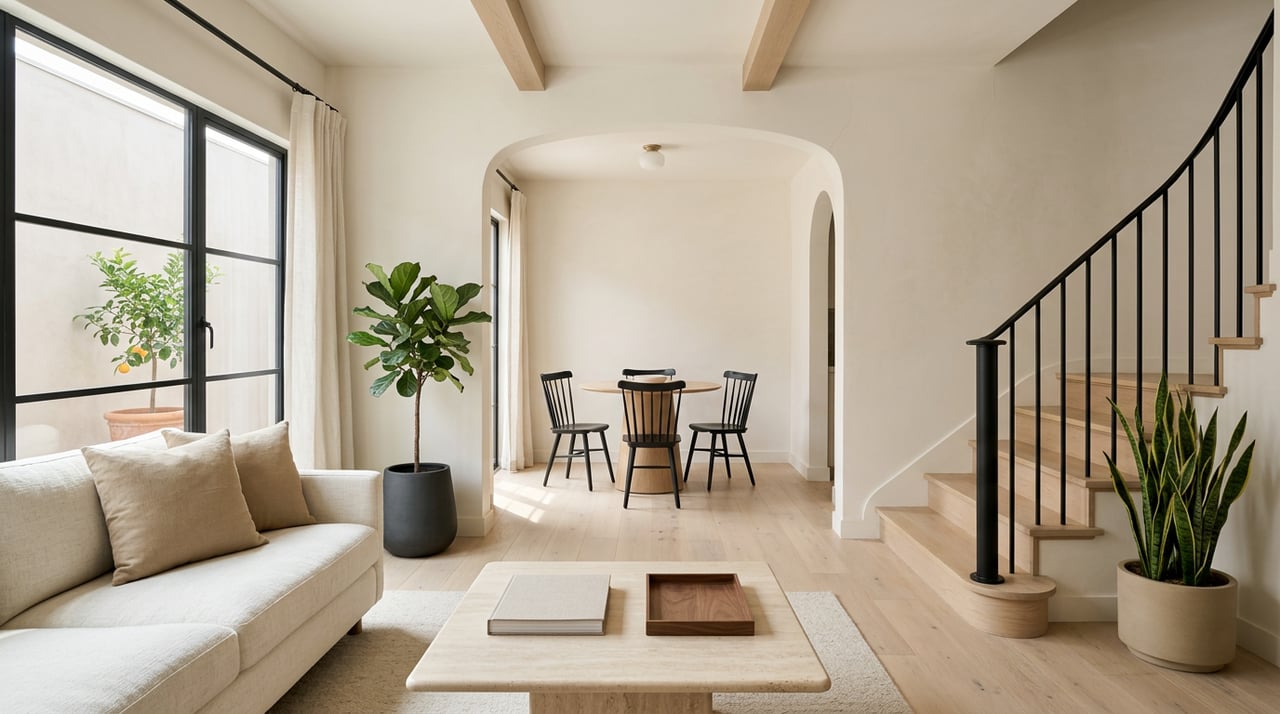
Staging helps your 1960s home feel fresh while keeping its best features. Focus on simple, clean lines and uncluttered spaces.
- Neutralize distractions: Remove heavy drapes, dated wallpaper, neon colors, and overly personal collections.
- Highlight period charm: Keep attractive original details like built‑ins or wood trim and pair with simple, modern accents.
- Show indoor‑outdoor living: Arrange furniture to emphasize flow to patios and yards. Even a small bistro set helps buyers imagine using the space.
- Scale matters: Use right‑sized furniture and remove oversized items that make rooms feel cramped.
- Stage key rooms: Vacant homes often photograph flat. Stage the living room, dining area, and primary bedroom at a minimum.
Photo and media prep
Online photos create the first showing. Invest in a professional real estate photographer who can produce HDR images, a basic floor plan, and a virtual tour.
- Shoot wide and detailed: Capture room flow and special features like original woodwork or a fireplace.
- Plan a twilight exterior if your lighting or yard is a selling point.
- Prep checklist for photo day: Clean windows, turn on all lights, hide bins, remove pets, and clear countertops.
- Consider a simple floor plan and a 3D tour for out‑of‑area buyers. These assets increase engagement and reduce wasted showings.
Price with comps and documentation
Your final prep should align with nearby inventory and recent sales. A comparative market analysis will show whether a kitchen or bath refresh will push you into a higher price bracket or if pricing as‑is is smarter. Avoid over‑improving beyond neighborhood norms.
Keep a tidy file with permits, warranties, service receipts, and inspection reports. Documentation boosts buyer confidence and can reduce repair requests during escrow.
Bottom line for Allied Gardens/Del Cerro sellers
Focus on safety, visible condition, and first impressions. Paint, lighting, curb appeal, clean floors, and minor fixes often deliver the strongest return. Consider mid‑range refreshes if your comps support them, and save big remodels for the next owner unless the market demands it. Pair thoughtful prep with strong marketing assets to maximize your net.
Ready to prioritize fixes and build a market‑smart plan for your 92120 home? Book an appointment with Jeff Hinds for a tailored walkthrough, cost guidance, and a strategy that fits Allied Gardens and Del Cerro.
FAQs
Should I get a pre‑listing inspection for a 1960s 92120 home?
- A pre‑listing inspection can uncover deal‑killers early, letting you fix or price accordingly, and a termite/WDO check is often helpful in San Diego.
What are the best quick fixes before listing in Allied Gardens/Del Cerro?
- Focus on interior paint, decluttering, updated lighting and hardware, clean or refreshed flooring, and curb appeal for strong photo and showing impact.
Do I need permits for updates before selling in San Diego?
- Structural, electrical, plumbing, and major mechanical work usually requires permits; verify requirements and history with City of San Diego Development Services.
What should I do about lead paint or asbestos in a 1960s home?
- Provide the required lead disclosure for pre‑1978 homes, disclose known hazards, and use certified pros for any work that may disturb lead paint or asbestos.
Is a full kitchen remodel worth it before listing in 92120?
- Usually no; a cost‑effective kitchen refresh often delivers better ROI and faster timelines unless nearby comps are fully remodeled and set the standard.